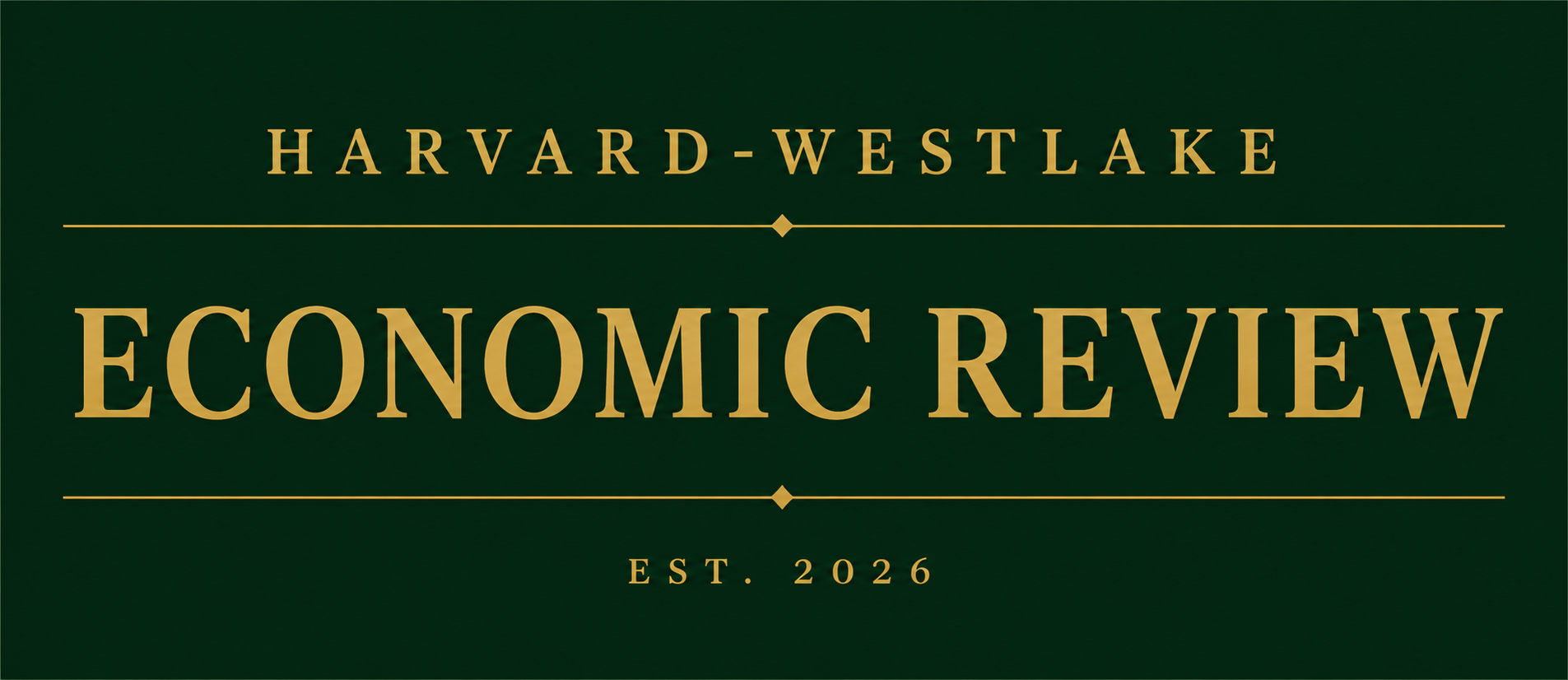
What Gives Money Value?
You use it practically every day, but at the end of the day, it's just a piece of paper. An apple has tangible value-you can eat it. What does a flimsy piece of paper provide? Read more to learn the value of money.
What Actually Gives Money Value?
Imagine waking up tomorrow morning and discovering that every single dollar in your bank account had become worthless overnight. Your paycheck would be meaningless. Your savings would disappear. Businesses would stop accepting cash. The economy would come to a standstill.
Impossible, right? Well, it actually has happened before to multiple modern currencies. That being said, none of those currencies are like the U.S. dollar; after all, the U.S. dollar has been around for more than two centuries and is used every day by hundreds of millions of people across the globe. If you really stop and think about it, though, the dollar is a pretty strange invention. A $100 bill is just a small piece of paper with green ink on it. It can't feed you, it can't power your house, and it can't keep you warm, yet almost everyone is willing to exchange real goods and services for it.
Why? What actually gives money value? The answer turns out to be one of the most fascinating questions in economics, and understanding it also helps explain everything from inflation and the national debt to cryptocurrencies.
Money Didn't Always Exist
It's easy to forget that money is a relatively recent invention. Thousands of years ago, people relied on bartering. If you wanted bread but sucked at farming, you could trade fish which you knew how to catch reliably. If you wanted clothes, you could exchange ceramics or livestock. At first, this sounds simple enough, but barter quickly runs into a problem known as the "double coincidence of wants." If I raise chickens and you bake bread, trade only works if I happen to want bread at the exact moment you happen to want chickens. If you don't, no transaction takes place.
As economies became larger and more complex, this system became incredibly inefficient. People needed something that everyone would accept at any time regardless of what they actually wanted to buy. That something became money.
Why Gold Worked
Throughout history, societies have experimented with everything from seashells to salt as money, but gold eventually became one of the world's favorite choices.
The reason wasn't random: gold is scarce, durable, portable, divisible, and nearly impossible to counterfeit. Unlike food, it doesn't spoil; unlike paper, it can't simply be printed whenever someone feels like it. Those characteristics made it an excellent medium of exchange and store of value.
Notice something important, though. Gold wasn't valuable because governments declared it valuable. Governments accepted gold because people already valued it.
Simply put, it worked because people collectively decided to believe in it. Many things in today's world still mirror this concept.
Why Does the Dollar Have Value?
Unlike gold, today's dollar isn't backed by a precious metal. Since 1971, the United States has operated on what's known as a fiat currency system. Fiat money has value because a government declares it legal tender and because society collectively agrees to accept it. To the uninitiated, this sounds pretty fragile. If the dollar isn't backed by gold, why doesn't everyone simply stop using it? You accept dollars because you know your employer will pay you in dollars. Your employer pays you in dollars because they know their customers use dollars. Businesses accept dollars because they know suppliers, employees, and landlords will also accept them. They all accept dollars because the U.S. government requires taxes to be paid in dollars, which creates constant demand for the currency.
What Happens When That Trust Breaks?
If trust is what gives money value, then losing that trust can have devastating consequences. History provides several examples. In Germany during the early 1920s, hyperinflation became so incredibly outrageous that people carried cash in wheelbarrows just to be able to buy bread. Prices changed so quickly that workers were sometimes paid multiple times per day so they could spend their wages before they lost even more purchasing power.
More recently, countries such as Zimbabwe, Venezuela, and Iran experienced similar problems after governments created enormous amounts of new currency while confidence in the economy collapsed. These examples are extreme, but they demonstrate an important principle: money only functions as long as people believe it will continue functioning tomorrow. Once that belief begins to disappear, the value of money disappears with it.
Where Cryptocurrencies Fit Into All Of This
This question becomes even more interesting when we look at Bitcoin.
The simplest explanation of where Bitcoin derives its value is from scarcity. Only 21 million Bitcoin will ever exist, making it impossible for governments to inflate the supply the way they can with fiat currencies. Does scarcity alone create value? I can think of many things that are scarce but still worthless if nobody wants them.
Both sides raise valid points. Bitcoin doesn't generate cash flow like a business, nor is it backed by a government. Its value depends largely on whether enough people continue believing it is a worthwhile store of wealth. Ironically, that means Bitcoin and fiat currencies have more in common than many people realize. Both ultimately depend on human belief; the difference is simply what people are choosing to believe in.
So What Actually Gives Money Value?
Scarcity helps, stability helps, governments help, productive economies help, strong institutions help. But underneath all of those things lies one idea: confidence. The dollar is valuable because people believe it will still buy goods tomorrow. Gold is valuable because people have trusted it for thousands of years. Bitcoin is valuable because millions of individuals think it has monetary qualities that should be preserved. Every monetary system ultimately depends on this confidence, which is earned in different ways by different types of money.
Keep in mind that you're taking part in one of humanity's greatest collective agreements the next time you pay for matcha with your phone or purchase lunch with a $20 bill. That small piece of paper, or even the digital number sitting in your bank account, has value not because of what it is made of, but because millions of people have agreed that it does.
Enjoyed this article?
Subscribe to get the latest economic analysis delivered to your inbox.
Comments
Related Articles

The Most Important Company You've Never Heard Of
You've all heard of AI, and our guess is that you've used it before, maybe even every day. But have you ever sat done and thought about how...
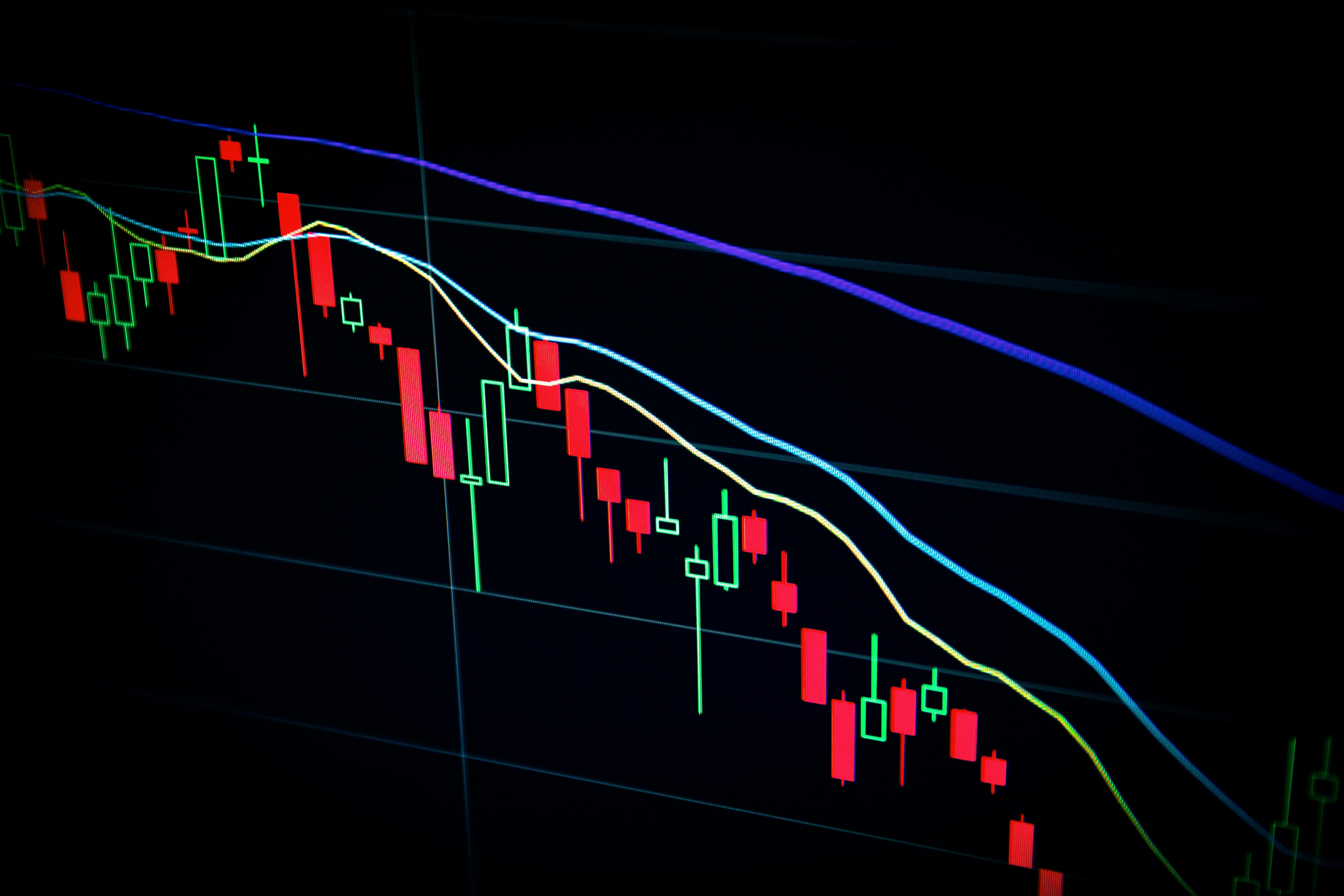
Why Do Stocks Go Up?
"The Dow is Over 50,000." But what does that exactly mean? What are stocks, and why do they go up? Read this article to learn more.
Why Is Everything So Expensive?
From inflation and housing shortages to gas prices and corporate pricing, here's what's really driving the rising cost of living.